Making renewable energy central to energy security
Bangladesh needs an energy strategy that keeps factories running today while reducing exposure to tomorrow's fuel shocks. Reliable electricity, affordable industrial energy and financial stability must advance together. The elected government's renewed emphasis on renewable energy, particularly roo
Bangladesh needs an energy strategy that keeps factories running today while reducing exposure to tomorrow's fuel shocks. Reliable electricity, affordable industrial energy and financial stability must advance together. The elected government's renewed emphasis on renewable energy, particularly rooftop solar, deserves recognition. The next task is to translate that commitment into projects that investors can finance, utilities can connect and consumers can trust.
As an entrepreneur and president of Bangladesh Sustainable and Renewable Energy Association (BSREA), I see considerable private-sector willingness to invest. However, investment decisions depend on the relationship between policy promises and implementation. Bangladesh must make renewable energy a central instrument of economic security, supported by domestic resource development, prudent transitional fuel infrastructure and stronger institutions.
RECOGNISING PROGRESS WHILE TESTING INVESTMENT CHOICES: Domestic gas exploration, better use of existing fields and efforts to bring Bhola's gas into wider economic use are welcome. The national-grid connection initiative merits priority, alongside a comparison of transmission costs with productive local utilisation. Exploration, production and transport must be planned together; a discovery alone cannot supply an industrial boiler.
Proposals for additional floating storage and regasification units, including the Chinese G2G initiative, and a land-based LNG terminal reflect legitimate supply concerns. Yet the Chinese proposal has reportedly been returned for further review. It should therefore be discussed as a project under consideration, rather than a completed commitment. Eastern Refinery's second-unit initiative also deserves appraisal for its contribution to fuel security and refining economics.
Every major fuel investment should be tested against realistic demand, foreign-exchange exposure and alternatives. Domestic coal proposals, including Phulbari, require credible assessment of water, agriculture, displacement, rehabilitation and lifetime costs. Their geopolitical and financing implications also matter. A decision must earn public legitimacy through evidence and meaningful consultation. Local concerns cannot simply be classified as obstacles to overcome.
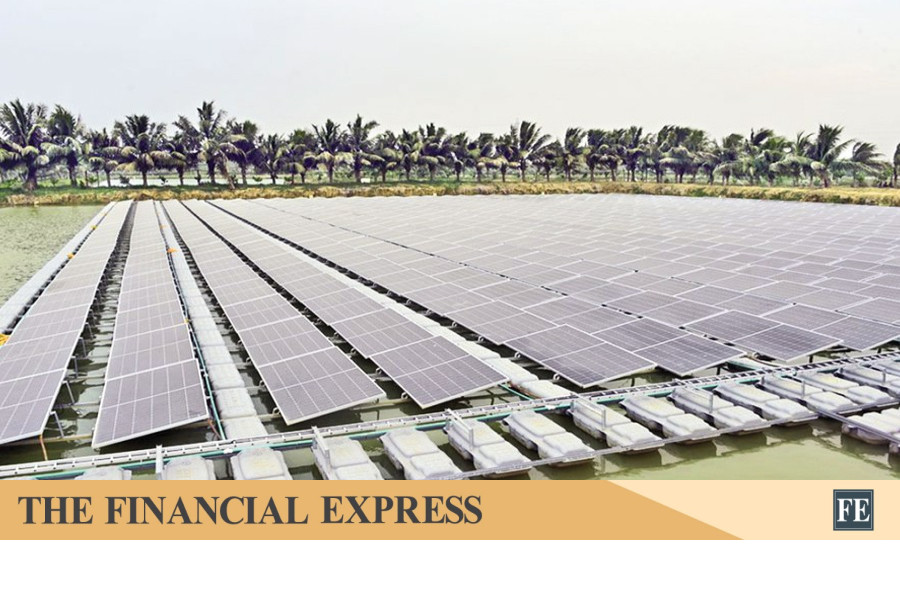
GIVE ROOFTOP SOLAR A DEPENDABLE INVESTMENT HORIZON: Rooftop solar can mobilise private capital without requiring large new land holdings. It can serve factories, warehouses, commercial buildings and public facilities, while creating work for engineers, installers and service providers. Its strongest foundation is productive self-consumption, complemented by a transparent arrangement for surplus electricity.
Two recently announced measures are encouraging: temporary import-tax relief for eligible solar equipment and a Tk 10.50-per-unit surplus purchase incentive for qualifying rooftop systems. The announced installation deadline is February 28, 2027, with the incentive continuing until February 28, 2030.