Turning economic challenges into opportunities
Economic crises test a nation's resilience, but they can also create opportunities for transformation. Bangladesh now faces volatile energy prices, concentrated exports, pressure on overseas employment, high interest rates, inflation, banking sector weaknesses and subdued investment. These challeng
Economic crises test a nation's resilience, but they can also create opportunities for transformation. Bangladesh now faces volatile energy prices, concentrated exports, pressure on overseas employment, high interest rates, inflation, banking sector weaknesses and subdued investment. These challenges are serious, but they should be converted to stepping stones rather than pessimism.
Bangladesh has repeatedly overcome adversity. Its next phase of development must build on that resilience while reducing dependence on imported energy, low cost labour, concentrated exports and a narrow tax base.
ENERGY SECURITY-TURNING IMPORT DEPENDENCE INTO OPPORTUNITY: Global energy volatility has exposed Bangladesh's vulnerability. The country imports almost all of its petroleum products and a substantial share of the gas used for power generation and industry. Rising fuel prices increase electricity costs, weaken industrial competitiveness, expand subsidies and intensify pressure on foreign exchange reserves. The World Bank and IMF have identified energy shortages, import costs and foreign exchange pressures as important constraints on growth.
Bangladesh has underinvested in domestic oil and gas exploration particularly in the offshore, as previously it was costing more than easily available imported LNG. Domestic gas production has declined, while offshore blocks remain comparatively underexplored. The government's revised offshore production sharing contracts are a useful step, but implementation now requires transparent bidding, credible commercial terms, a possibility given the current replacement cost of gas as imported LNG.
The price needed to attract investment in new domestic gas discoveries may exceed historically administered prices. That should not automatically discourage us. Domestically produced gas at a commercially negotiated price may still be more secure and economical than imported LNG when transportation, regasification, geopolitical risks and supply disruptions are considered.
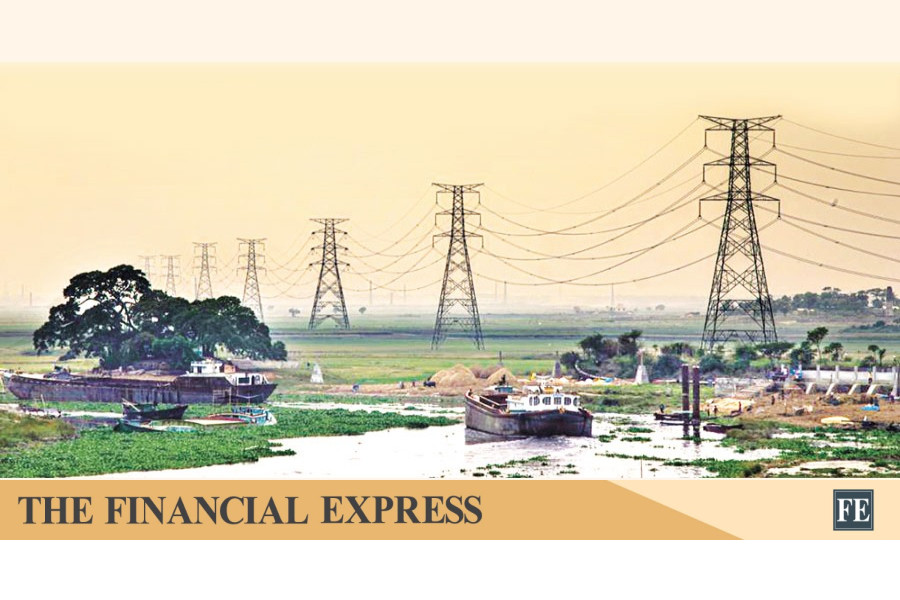
Exploration will not guarantee discoveries, so Bangladesh must also diversify LNG procurement and infrastructure, expand renewable energy, improve efficiency and modernise transmission and distribution. The objective should be energy security through domestic exploration, diversified imports, renewable energy and commercially sustainable investment.
FROM LOW COST GARMENTS TO HIGH VALUE EXPORTS: The ready-made garment industry remains one of Bangladesh's greatest achievements. Garment exports reached approximately USD 47 billion in fiscal year 2023-24, accounting for roughly four-fifths of merchandise exports and directly employing around four million workers, most of them women.